Student savings playbook r1
Practical, modern approaches for students in the USA to start saving, protect funds, and build financial habits that scale beyond graduation.
- Small, repeatable saving systems that work with student income.
- Low-risk tools, micro-investing, and automated discipline.
- Budget templates and habit triggers tailored for campus life.

Why students should prioritize savings
College years are a unique window to form lifelong habits. Even modest, consistent saving reduces stress, prepares for emergencies, and opens doors to future investing.
- Emergency buffer reduces reliance on high-interest credit.
- Small investments compound; early starts matter.
- Financial confidence improves academic outcomes and career choices.

Strategy: The 50/30/20 adapted
A student-friendly split: essentials, flexible spending, and a committed micro-savings portion (even 5-10%). Automate transfers into a locked savings bucket.

Strategy: Round-ups & micro-investing
Use round-up features and fractional shares to grow small change into meaningful balances without active effort.

Strategy: Goal-based jars
Create labeled buckets for rent, books, and travel. Visible goals increase commitment and reduce impulse spending.

Tools & accounts that fit students
We recommend low-fee high-yield savings, credit-builder accounts, and apps that support automation and educational nudges.
- High-yield online savings for emergency funds.
- Student-friendly checking with round-up features.
- Credit-builder options instead of high-interest loans.

Student case studies
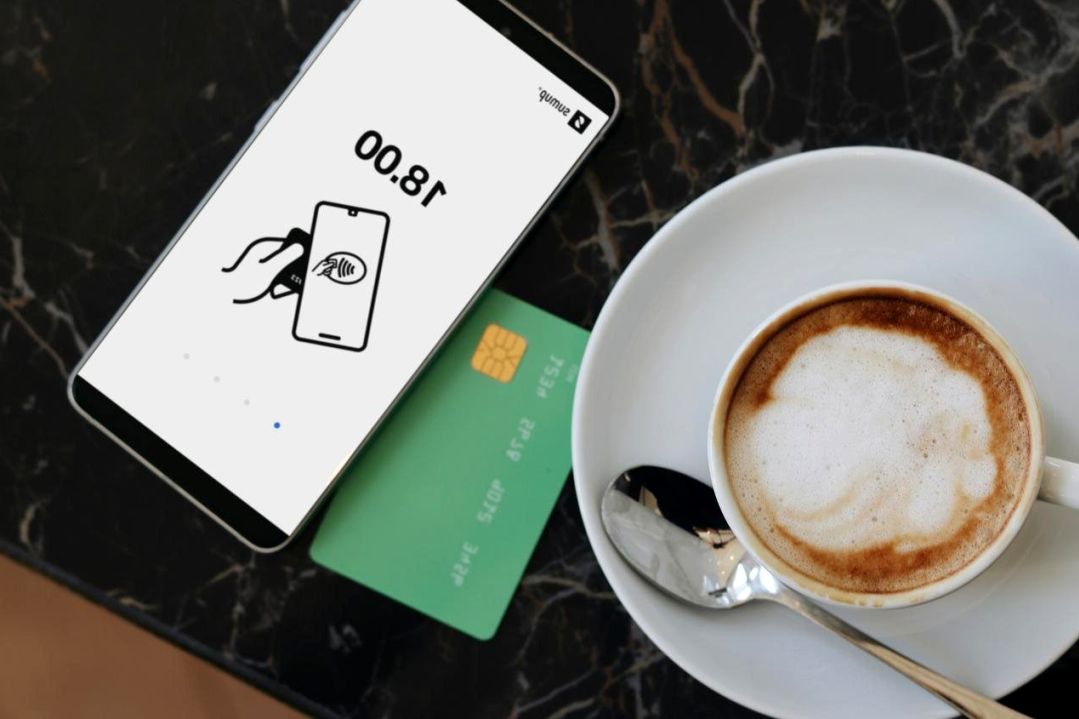
Part-time barista — Emergency buffer
Saved $1,200 in six months using automated micro-savings and a high-yield account.

Intern — Early investing
Started fractional-share investing with $20/month and built a $900 portfolio in two years.

Scholarship student — Goal jars
Used labeled buckets for textbooks and travel, improving savings clarity and reducing impulse buys.
Frequently asked questions
Resources & quick templates
Download simple budget templates and a one-page savings plan tailored for students.